

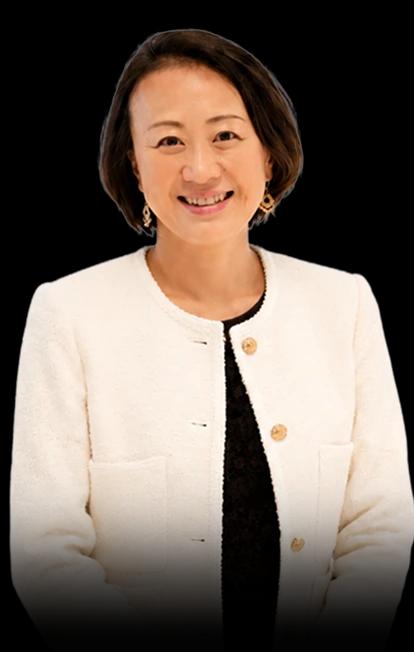
Tomomi Shimizu
Co-Founder, Torii
What shaped her journey
For Tomomi, the question has never been simply how Japan can help the rest of Asia, but how Japan itself might change through deeper relationships with its neighbours.
Her experience in international philanthropy has brought her face to face with the distance between those who hold resources and those whose lives they hope to change. Torii grows from her conviction that philanthropy can do more than fund solutions—it can bring different worlds into conversation and make new forms of solidarity possible.
What if philanthropy was not about one part of the world helping another, but about changing one another? I want to see what becomes possible when people with different experiences, knowledge and resources meet as equals.
Why Torii


Tomomi's experience in international philanthropy brought her face to face with a contradiction. Even when resources are directed towards justice and equity, the relationships between those who give and those who receive often remain unequal. She began to question whether philanthropy could do more than finance solutions. Could it also change the relationships through which problems are understood, decisions are made and resources are shared?
For Tomomi, Torii emerged from a desire to create a different relationship between Japan and the rest of Asia. One in which Japan is not simply a source of financial support, but a society that has much to learn, question and transform through its encounters with others. Torii is her attempt to build a form of philanthropy that invests in relationships, nurtures leadership and creates opportunities for people and institutions to change together.
What she brings to Torii

Tomomi brings an understanding of philanthropy from within—its possibilities, its limitations and the relationships that shape how resources are used. She brings experience in connecting people, institutions and resources across countries, alongside a willingness to question established assumptions about who gives, who receives and who decides.
Her particular contribution is the ability to imagine a different role for Japanese philanthropy in Asia: not merely financing change elsewhere, but participating in a process of mutual learning and transformation. She brings to Torii the conviction that relationships themselves can become a powerful resource for social change.